How is the Score calculated in Cricket
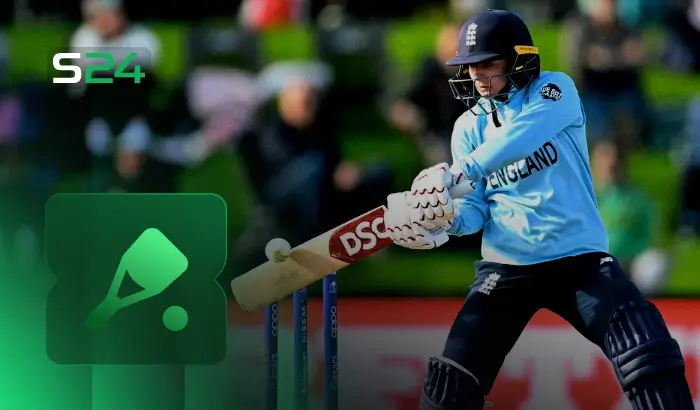
To briefly explain how the score is calculated in cricket, the foundation is runs, which are the points a team earns during the game.
Points in cricket are primarily accumulated through successful hits by the batsman and subsequent actions on the field. Players can earn runs by running between the wickets or sending the ball to the boundary.
Ultimately, the score in cricket is the sum of all points scored during an innings. The team that scores more points than the opponent wins.
What are runs in cricket
Runs are the basic points in the game. If you want to understand what a run is in cricket, remember: it's a single point that the team earns during play.
The main way to earn runs is by running between the wickets. After the batsman hits the ball, two players run towards each other and switch places – for each successful run, the team earns 1 point.
Runs can also be awarded for powerful hits when the ball goes far into the field or reaches the boundary. The entire scoring logic is built on counting runs: the more such points a team scores, the higher its final result.
What do 4 and 6 mean in cricket
One of the most common questions is what 4 and 6 mean in cricket. These are quick ways to score points after the batsman hits the ball.
- 4 (four) – is awarded if the ball touches the ground after the hit and rolls to the boundary. Gives 4 points
- 6 (six) – is awarded if the ball crosses the boundary without touching the ground. Gives 6 points
In both cases, the team automatically receives points, and players do not need to run. Such hits are considered the most effective and spectacular because they allow for a quick increase in the cricket score.
Extra points
In addition to regular runs, there are extra points in cricket (extras) – they are awarded not for the batsman's hits, but due to errors or peculiarities of the delivery.
Main types of extras:
- No-ball – an illegal delivery (for example, overstepping the line). The team automatically receives +1 point, and the delivery is replayed.
- Wide – the ball is bowled too far from the batsman, making it impossible to hit. It also awards +1 point.
- Bye / Leg bye – runs scored without hitting the ball. For example, if the ball passes the bat, but the players manage to complete a run.
Extras are added to the team's total score and can significantly impact the final result, especially in tight matches.
How the Team's Final Score is Calculated
The final result is composed of:
- all the runs scored by the batsmen,
- additional runs from bowling errors and other game situations
All these runs are summed up to give the team's total score for the innings. This figure is used to determine the winner: the team with the higher final score wins the match.
Example of Score Calculation
To better understand the mechanics, let's break down a simple cricket score example. During one innings, a team can score runs in various ways – through runs, strong hits, and additional points. The total is the sum of all these actions.
Action | Points |
1 run | +1 |
Boundary 4 | +4 |
Boundary 6 | +6 |
Wide | +1 |
Example of one over consisting of six deliveries:
- first delivery: the batting team completed 2 runs = 2 points;
- second delivery: the batsman hit the ball, but it was caught immediately after bouncing off the grounddefenders = 0 points;
- third delivery: batsman hit the ball to the boundary along the ground = 4 points;
- fourth delivery: batsman hit the ball over the boundary without touching the ground = 6 points;
- fifth delivery: batsman hit the ball, but it was caught on the fly by a fielder = 0 points, out and batsman replacement;
- sixth delivery: opponent bowled a wide = 1 point.
Total: 13 points in one over. Depending on the format, matches can consist of 20 overs per innings (T20), 50 overs (ODI), and unlimited overs (Test).
How the score is recorded in cricket
The score in cricket is usually recorded in a compact format, which at first glance might seem complex.
Example of a score notation: 150/6 (20). This means:
- 150 – total number of runs scored,
- 6 – number of players out (wickets),
- 20 – number of overs played.
This notation allows not only to understand the final score but also to determine the state of the match live: how many runs the team has scored, how many players are out, and how much time (in overs) has passed.
For example, in a live game in the Cricket Match Centre on the Scores24 website, you might see a score of 159/10 (19.4) for one team and 38/2 (3.2) for the other. This means that the first team has already completed their innings without playing all 20 overs because they have lost ten wickets. The total number of runs for Team A is – 159. The second team is currently in the 4th over (3.2 means partway through the fourth over), having already lost two batsmen and scored 38 runs. To win, they need to reach at least 160 runs before the end of the 20th over and avoid losing all 10 wickets during this period.
Why the Score in Cricket Seems Complicated
Many newcomers do not immediately understand how to interpret the score in cricket, and that's normal. The game seems confusing due to several features.
- Many Types of Runs – there are regular runs, boundaries for 4 and 6, as well as extra runs.
- Unusual Logic – runs can be scored not only through hits but also due to the opponent's errors.
- Unfamiliar Format – unlike other sports, the score is built up gradually and depends on numerous factors.
However, after understanding the basic principles, the score in cricket becomes much more comprehensible and logical. Now you understand how the score in cricket is calculated and what it consists of. The knowledge gained will definitely help you better understand the sport and prepare more thoroughly for games by studying cricket match predictions. If you are just starting to understand the game, it is important to study the topic comprehensively. We recommend reading our other articles about cricket:
FAQ
How are points scored in cricket?
Points in cricket are awarded for runs, hits for 4 and 6, as well as for extras. All these points are summed up to determine the team's final score.
What are runs in cricket?
Runs – are the basic points that a team earns during a game, most often by running between the wickets after the batsman hits the ball.
What are extras in cricket?
Extras – additional runs awarded not for the batsman's hits, but for errors in bowling or specific aspects of the game: no-ball, wide, bye, or leg bye.
What do 4 and 6 mean in cricket?
- 4 – is awarded if the ball touches the ground after being hit and reaches the boundary.
- 6 – is awarded if the ball crosses the boundary without touching the ground. In both cases, the team is automatically awarded the respective points.
How to determine the winner by the score?
The team with the most points (runs + extras) at the end of the innings wins. In the event of a tie, a draw is possible (in Test format).
Can a cricket match end in a draw?
Yes, if after the completion of the innings both teams have scored the same number of runs, a tie is recorded. In Test matches, a draw is possible when the match time has ended and no winner is determined.