American Football Slang
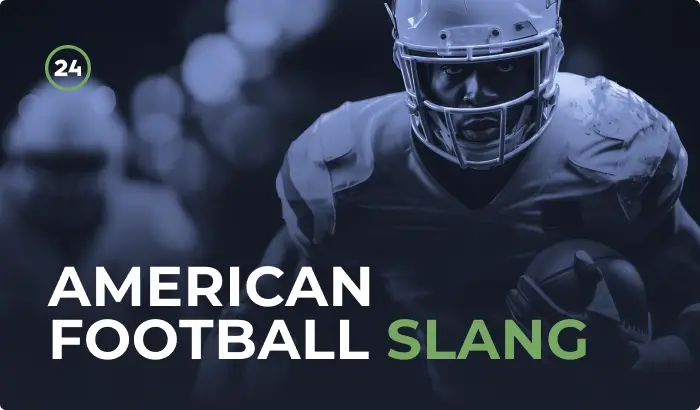
In the world of football, language takes on a life of its own, with colorful slang and unique expressions forming a vibrant part of the culture. From terms that describe game strategies and positions to quirky nicknames for players, the sport's vernacular reflects its dynamic energy. These phrases often serve as a shorthand among fans, players, and coaches, creating a sense of camaraderie and tradition. Whether it's a witty description of a big play, a nickname for a tricky maneuver, or a lighthearted way to celebrate a victory, football slang brings humor, creativity, and personality to the gridiron experience.
In-Game Slang
The sport is rich with slang and terms that are often used by players, coaches, and fans to describe various aspects of the game. For instance, "pick-six" refers to an interception that is returned for a touchdown, one of the most exciting plays in the sport. "Hail Mary" is a term for a desperate, long pass thrown in the final moments of a game, typically with little chance of success, but a small glimmer of hope for a miraculous win. "Blitz" is a defensive tactic where multiple defenders rush the quarterback in an attempt to sack him or disrupt the play. "Pocket" refers to the area around the quarterback, formed by the offensive line to give him time to throw. "Touchdown dance" is a celebratory dance performed by players after scoring a touchdown, a staple of American football culture. These slang terms not only help simplify complex football plays but also add excitement and personality to the game. Predictions of player performance, team outcomes, and individual plays based on trends and statistics have become a major part of the American football experience, allowing fans and analysts to engage with the sport in new and dynamic ways.
More definitions
The slang adds energy and flair to the game, often bringing humor and excitement to what would otherwise be technical discussions of strategy and tactics. "Smash-mouth football" refers to a tough, physical style of play, typically involving strong, aggressive running and hard-hitting defense. "No-huddle" refers to an offense that doesn’t stop to huddle, instead rushing to the line of scrimmage to run the next play quickly and catch the defense off guard. "Pick" is short for interception, where a defensive player catches a pass intended for an offensive player. "Snap" refers to the action of hiking the ball to the quarterback at the start of each play. "Juke" is a move where a player fakes out an opponent with a sudden change of direction, making it difficult for them to make a tackle. These slang expressions bring excitement to the sport, providing fans with a shorthand for discussing plays and strategies in a more engaging and relatable way.
Football Terminology
This term can be used to describe moments, strategies, or specific actions that occur throughout the game. "Sack" refers to when the quarterback is tackled behind the line of scrimmage, often resulting in a significant loss of yardage. "Dime" refers to a defensive formation that involves six defensive backs, typically used in passing situations to cover receivers more effectively. "Blown coverage" is when a defensive player fails to cover their assigned receiver, often leading to a big gain or touchdown. "Touchback" occurs when the ball is kicked into the end zone on a kickoff or punt, and the receiving team elects to take the ball at the 25-yard line. "Wildcat formation" refers to a formation where the quarterback lines up as a running back, and another player, often a running back, takes the snap. These terms simplify the complex strategies and plays in the NFL, giving fans a quicker and more fun way to discuss the action. As predictions continue to shape the way analysts and fans engage with the game, understanding these slang terms becomes crucial for accurately forecasting team strategies and individual performances.
Slang for Football Field
The playing area is often referred to by various slang terms. "Gridiron" is a classic term used to describe the football field, referring to the pattern of the field’s lines, resembling a grid. "The turf" is another common slang term for the playing surface, often used to describe both the grass and synthetic field. "The sideline" refers to the boundary lines on the sides of the field, marking the limits of play. "The end zone" is the area where a touchdown is scored, often described in the context of a team's goal, as in "we need to get in the end zone." "The red zone" is a specific area on the field, typically the 20-yard line to the goal line, where teams have a higher chance of scoring. These slang terms help make discussing the game more relatable and accessible, adding some personality and familiarity to the way players, coaches, and fans refer to the field.
Victorious Football Slang
Slang for winning includes several terms that express victory and triumph in different ways. "Taking the W" is a casual term used to describe a win, with "W" standing for "win." "Smashing it" refers to winning a game in a dominant fashion, where one team outperforms the other in almost every aspect. "Punching the clock" is used when a team finishes a game strong, especially when they’ve controlled the clock late in the game to secure the victory. "Clutch" refers to making a crucial play under pressure, often at a pivotal moment in the game. For instance, a quarterback might make a clutch throw in the final seconds to win the game. "On fire" is used to describe a team or player performing exceptionally well, often winning multiple games in a row or having a standout performance. These slang phrases celebrate success and allow players and fans to express the thrill of winning in a casual, informal way. As predictions and NCAA regular season standings become more prominent in discussions, these terms add excitement, offering fans a fun way to celebrate anticipated victories and the dramatic nature of college football.
Funny Football Terms
Funny slang terms can bring humor into a game that is often intense and strategic. "Parking the bus" is a phrase borrowed from soccer, but it’s sometimes used in American football to describe a team that focuses primarily on defense and avoids being too aggressive. "Butterfingers" is used to describe a player who drops an easy catch or mishandles the ball, usually leading to a turnover or missed opportunity. "Fluffing" refers to when a player fails to convert a simple scoring opportunity or drops an easy pass, often leaving fans in disbelief. "The banana kick" is a humorous term for a football that takes a wild, curving trajectory, often during a punt or kick. "Plonker" is used to describe a player who makes a mistake or fails to execute a simple play, adding a lighthearted touch to otherwise tense moments. These funny terms help to add personality to the game and can diffuse the tension in a fun, relatable way.
Slang for a Football Player
In this sport, players are often referred to by various slang terms that highlight their role on the team or their personality. A "quarterback" is often called "the signal-caller" because of their role in directing the offense and making critical decisions. "Wideout" is a slang term for a wide receiver, the player responsible for catching passes. A "running back" is sometimes called a "ball carrier" or "tailback," as they are the primary players who run the football on offense. A "linebacker" is often referred to as "the quarterback of the defense" due to their role in calling plays and organizing defensive schemes. "Enforcer" refers to a defensive player known for making aggressive, hard-hitting tackles. "Captain" is used for the player who leads the team, often the quarterback or another key player who motivates the team on and off the field. These slang terms give players a unique identity within the game, making football more engaging for fans and creating a sense of camaraderie among teammates.
CONCLUSION
The unique language of the game adds depth, humor, and character to the sport. From creative nicknames for players and fields to vivid terms describing victories and tactics, these expressions bring the energy of the game to life. They simplify communication, foster camaraderie, and reflect the passion shared by players and fans alike. Whether it’s the excitement of a big play or the humor in a fumbled moment, the colorful terms and phrases associated with the sport create a rich tapestry of culture and tradition. This linguistic flair makes every match more engaging and connects people through a shared love of the game.